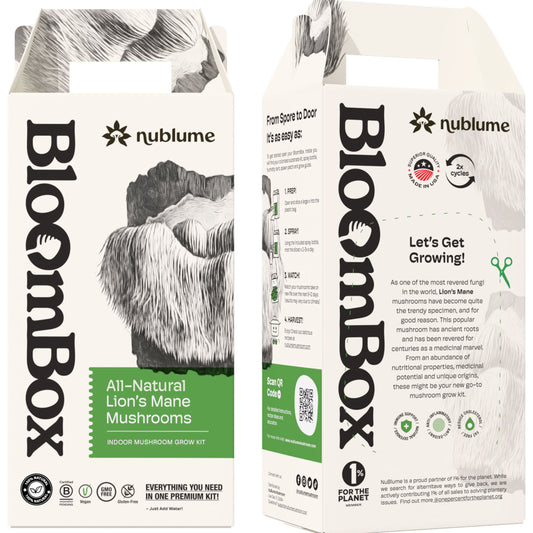
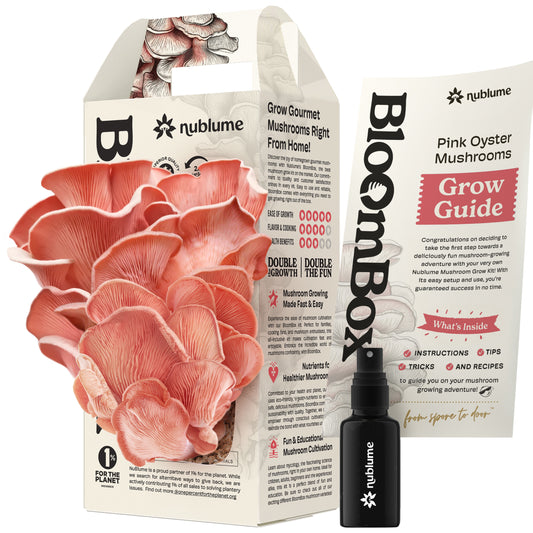
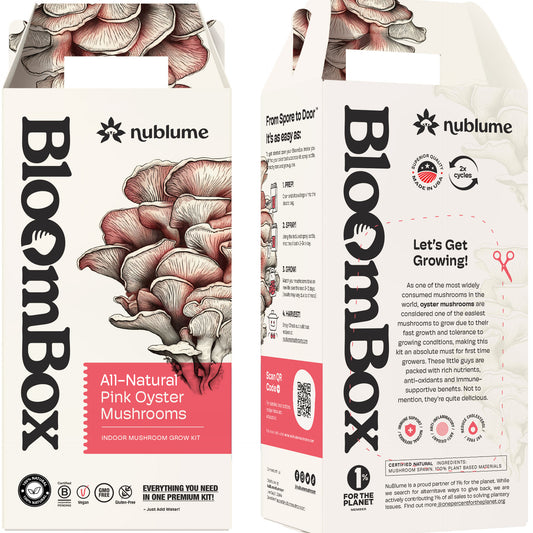
Growing your own gourmet oyster mushrooms at home has never been easier or more rewarding. Our curated collection of the best oyster mushroom growing kits brings the farm-to-table experience directly to your kitchen counter, requiring no prior experience, special equipment, or green thumb. Oyster mushrooms are the perfect choice for beginners and experienced cultivators alike—they're fast-growing, forgiving, and incredibly productive, with most kits producing harvestable mushrooms in just 10-14 days. Whether you're drawn to the mild, versatile flavor of blue oyster mushrooms or the distinctive, bacon-like taste of pink oysters, these all-natural kits deliver fresh, organic mushrooms that far surpass anything available at grocery stores. Each kit in this collection features pre-colonized substrate blocks ready to fruit immediately upon arrival, complete with detailed instructions that make the growing process foolproof. Beyond the culinary rewards, growing mushrooms at home is an educational, sustainable practice that reduces food waste, eliminates packaging, and provides a fascinating window into the remarkable world of fungi. Discover why thousands of home growers have made oyster mushroom cultivation their favorite kitchen hobby—your first harvest is just days away.
What should you look for in an oyster mushroom growing kit?
When selecting an oyster mushroom growing kit, prioritize kits that use all-natural, organic substrates free from chemicals and pesticides. The best kits come pre-colonized with mycelium, meaning they're ready to fruit immediately upon arrival, eliminating the complex inoculation process. Look for kits that include clear, step-by-step instructions suitable for beginners, as well as adequate substrate volume (typically 5-10 pounds) to ensure multiple harvests. The kit should be fully contained or come with a humidity tent to maintain the 80-95% humidity levels oyster mushrooms need. Consider the oyster variety offered—blue oysters thrive in cooler temperatures (55-75°F), while pink oysters prefer warmer conditions (65-85°F). Reputable suppliers should guarantee viable mycelium and offer customer support. Finally, check reviews for actual yield results, as quality kits typically produce 1-3 pounds of mushrooms across 2-3 flushes over 4-8 weeks.
Frequently Asked Questions
How long does it take to grow oyster mushrooms from a kit?
Oyster mushrooms are among the fastest-growing mushroom varieties available for home cultivation. Once you receive your pre-colonized kit and initiate fruiting conditions, you can expect to see pinheads (baby mushrooms) forming within 3-5 days. These pins will mature into harvestable mushrooms in just 7-10 days from first emergence. The entire process from unboxing your kit to your first harvest typically takes 10-14 days. After harvesting your first flush, the kit will rest for 7-10 days before producing a second flush, and potentially a third flush after another rest period. In total, a single oyster mushroom kit can remain productive for 4-8 weeks, depending on growing conditions and the substrate's nutrient content.
Do oyster mushroom kits need special equipment or conditions?
One of the major advantages of oyster mushroom kits is their minimal equipment requirements, making them ideal for beginners. You'll need only a few basic items: a spray bottle for misting 2-3 times daily to maintain humidity, a location with indirect natural light (avoid direct sunlight), and a space with appropriate temperature range (55-85°F depending on variety). No grow lights, heating pads, or complex environmental controls are necessary. Most quality kits include or recommend a humidity tent (often a simple plastic bag with holes) to maintain the 80-95% humidity oyster mushrooms prefer. Unlike some mushroom varieties, oysters don't require darkness and actually benefit from ambient light to develop properly. The growing area should have some air circulation to prevent contamination, but doesn't need specialized ventilation systems. This simplicity makes oyster mushroom kits perfect for apartment dwellers, students, or anyone wanting fresh gourmet mushrooms without investing in expensive equipment.
What's the difference between blue oyster and pink oyster mushroom kits?
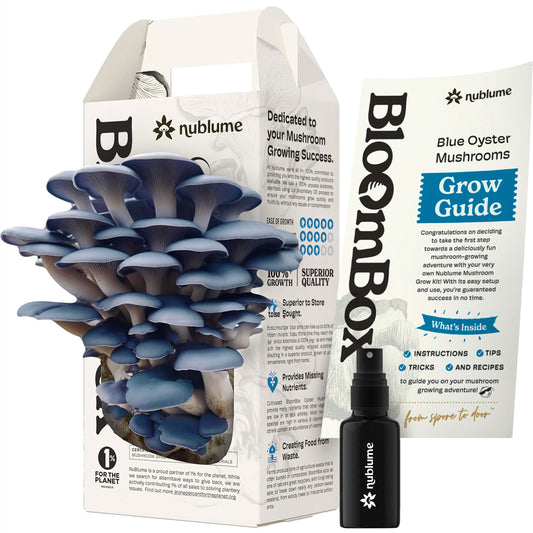
Blue oyster (Pleurotus ostreatus var. columbinus) and pink oyster (Pleurotus djamor) mushrooms differ in several important ways that affect your growing experience and culinary applications. Blue oysters prefer cooler temperatures (55-75°F), making them ideal for basement growing or cooler climates, while pink oysters thrive in warmer conditions (65-85°F), perfect for heated homes or summer growing. Flavor-wise, blue oysters offer a mild, slightly sweet, delicate taste with a tender texture when cooked, working well in soups, stir-fries, and as a general-purpose culinary mushroom. Pink oysters have a more distinctive, meaty flavor often compared to bacon when sautéed, with a slightly firmer texture. Visually, blue oysters display gray-blue caps that fade to lighter colors, while pink oysters feature vibrant pink to coral-colored caps that fade when cooked but make stunning presentations when fresh. Pink oysters grow faster and are more aggressive, often producing larger first flushes but fewer subsequent flushes than blue oysters. Both varieties are excellent for beginners, so choose based on your home's temperature and flavor preferences.
Can you reuse or restart an oyster mushroom kit after harvest?
After harvesting all flushes from your oyster mushroom kit (typically 2-3 harvests over 4-8 weeks), the substrate block becomes exhausted of nutrients and cannot be directly restarted to produce more mushrooms. However, the spent substrate has several valuable uses rather than being discarded. The most beneficial option is composting the spent block in your garden or compost bin—it's rich in organic matter and beneficial microorganisms that improve soil health. You can also break up the spent substrate and mix it directly into garden beds as a soil amendment, where it will decompose and add nutrients. Some experienced growers use spent substrate as a base layer for outdoor mushroom beds, where ambient mushroom spores might colonize and fruit under the right conditions. If you want continuous mushroom production, the best approach is to order a new kit every 4-6 weeks to maintain a steady supply. Some suppliers offer subscription services or multi-kit discounts for ongoing growers. While you cannot 'restart' the same kit, the low cost per pound of mushrooms produced and the substrate's composting value make oyster mushroom kits an environmentally friendly, sustainable choice.
Are oyster mushroom growing kits safe to use indoors around pets and children?
Oyster mushroom growing kits are generally very safe for indoor use around families and pets when used as directed. The kits contain only natural, organic materials—typically hardwood sawdust, grain spawn, and oyster mushroom mycelium—with no toxic chemicals, pesticides, or harmful substances. The mushrooms themselves are edible gourmet varieties that are non-toxic to humans and pets. However, some sensible precautions apply: Place the kit out of reach of curious pets and young children to prevent the substrate from being disturbed or ingested (while not toxic, the raw substrate isn't meant to be eaten). Some individuals may have mild allergies to mushroom spores, so avoid placing the kit in bedrooms or areas where people with respiratory sensitivities spend extended time. Ensure proper air circulation to prevent spore buildup, though oyster mushrooms produce relatively few spores compared to other varieties. Always wash your hands after handling the kit and before preparing harvested mushrooms. Keep the growing area clean and monitor for any signs of contamination (unusual colors or odors), though quality kits rarely have issues. When these basic guidelines are followed, oyster mushroom kits are one of the safest and most educational indoor growing projects for families, offering children a fascinating look at fungal biology and providing fresh, nutritious food.